Discover 7 delightful tulip facts that defy expectations
Posted on 21/08/2025
Discover 7 Delightful Tulip Facts That Defy Expectations
If you believe tulips are just ordinary spring blooms, it's time to see them in a whole new light! The elegant, vibrant tulip brims with fascinating history, cultural significance, and surprising secrets. Dive into this carefully crafted exploration as we reveal seven tulip facts that will utterly astound you and deepen your appreciation for these floral icons.
1. Tulips Weren't Always Dutch: A Surprising Origin Story
When discussing tulips, images of vivid Dutch fields often spring to mind. However, the story of tulips began much farther east. Tulips are native to Central Asia, where they adorned the wild landscapes of what is now Kazakhstan, Iran, and parts of Siberia.
- Central Asian nomads first cultivated the wild tulip.
- By the 10th century, Persian poets and artists immortalized tulips in art and verse.
- The famed Sultan Suleiman the Magnificent introduced tulips to the Ottoman Empire in the 16th century, making them a royal obsession.
It wasn't until the latter half of the 16th century that tulips found their way to the Netherlands. There, they quickly became synonymous with Dutch culture, eventually transforming the flat plains into a patchwork of brilliant color.
Why Does This Matter?
This unexpected origin upends the common association between tulips and the Netherlands, reminding us that cultural exchanges shape the global journeys of our most beloved symbols.
2. Tulips Once Cost More Than Gold
Few investment bubbles in history can match the dizzying heights--and dramatic collapse--of the Tulip Mania that gripped the 17th-century Dutch Republic. This period saw the trade of tulip bulbs surge to astounding prices, drawing in seasoned merchants and everyday citizens alike.
- Rare tulip varieties, especially the striped or "broken" types, became status symbols.
- Records show some bulbs sold for more than the cost of a luxury Amsterdam home.
- Bids for individual bulbs skyrocketed, with investors trading future contracts rather than actual flowers.
This frenzy peaked in 1637, hastily collapsing and leaving many in financial ruin. "Tulip Mania" exemplifies the world's first speculative bubble--astonishing for a flower that now graces gardens worldwide.
What Can We Learn?
The tale of Tulip Mania remains a captivating lesson in market psychology, hype, and the timeless human penchant for chasing trends--one more reason tulips are far from "just flowers."
3. Not All Tulips Share the Same Palette
When you think of tulips, vivid reds or classic yellows likely come to mind. Yet, the tulip family boasts a breathtaking spectrum of over 3,000 registered varieties! These bulbs are available in nearly every color--except a true blue.
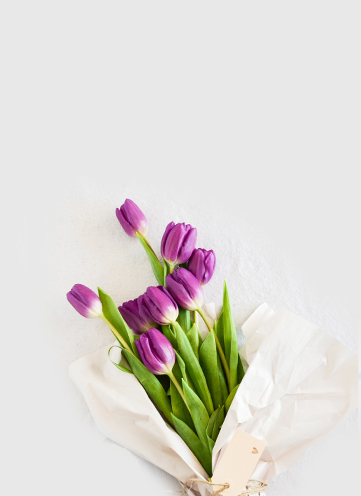
- Tulips range from pure white to deep purple to nearly black.
- Modern breeding has created bi-color and variegated patterns unthinkable centuries ago.
- Unique shapes--from the lily-flowered tulips to frilly parrot varieties--add to the visual intrigue.
Whether you covet the subtle blush of a "Pink Impression" or the drama of a "Queen of Night" (which appears almost ebony), there's a tulip to dazzle every gardener and enthusiast.
Tulip Color Meanings
Did you know? Each tulip color has its own symbolism--from red for love to yellow signaling cheerful thoughts--making them perfect gifts for every occasion.
4. Tulips Have Star Power in Art and Culture
Beyond their garden glory, tulips wield enormous influence in the creative world. They've adorned palace walls, inspired fashion, and starred in masterful paintings for centuries.
- Dutch Golden Age artists like Jan Davidsz de Heem featured tulips in sumptuous still lifes, emphasizing the flower's fleeting beauty.
- The Ottoman sultans commissioned exquisite tulip motif tiles and textiles.
- Tulips capped the Art Nouveau movement, where stylized blooms graced jewelry, ceramics, and architecture.
The "Tulip Era" in Ottoman Turkey (1718-1730) even takes its name from the flower, symbolizing a time of peace, pleasure, and artistic flourishing.
Tulips Today
From high-fashion catwalks to bouquets on special occasions, the tulip's legacy as a cultural muse continues to blossom.
5. Tulip Bulbs: A Surprising Food Source
During World War II's "Hunger Winter" in the Netherlands, a desperate population turned to tulip bulbs for nourishment. Though not part of a regular diet, these bulbs provided critical sustenance when food was scarce.
- The starchy bulbs contain enough calories to sustain life during hardship.
- Traditional preparation includes peeling and soaking to remove toxins, then boiling or baking.
- Today, this is mostly a footnote in history, but it highlights the tulip's unexpected utility.
Note: Most tulip bulbs are not recommended for casual consumption due to the risk of digestive upset. Remember this fact as yet another evidence of the tulip's remarkable adaptability and resilience.
6. There Are Tulip Festivals on Every Continent (Except Antarctica)
The joy of tulips is truly global! Each spring, millions flock to spectacular tulip festivals held in gardens and cities across the world. These celebrations feature astonishing mass plantings, vibrant parades, and cultural events.
- Keukenhof Gardens in the Netherlands boasts over 7 million bulbs in bloom, making it the world's largest flower garden.
- Canada's Canadian Tulip Festival honors the country's unique bond with the Dutch royal family and the annual "gift" of bulbs.
- Other highlights include festivals in Istanbul, Japan, Australia, the United States, and the United Kingdom.
Wherever they bloom, tulips become ambassadors of hope, renewal, and community spirit--defying the notion that a flower's impact is purely ornamental.
How Tulip Festivals Stand Out
Far from basic garden shows, these festivals represent living art installations, inspiring joy and wonder in every visitor. They exemplify how tulip appreciation bridges cultures and continents.
7. The Mystery Behind Broken Tulips' Famous Stripes
One of the most beautiful--and unexpected--tulip characteristics is the dramatic "broken" striped or feathered pattern found in rare varieties. During the height of Tulip Mania, these unusual flowers became the most sought-after--and expensive--of all. But what causes these mesmerizing patterns?
The answer lies in science:
- The breathtaking stripes are caused by the tulip breaking virus (TBV), which disrupts the even pigments of the petals.
- While visually stunning, this virus weakens the plant's vitality and is now controlled to prevent the spread.
- Modern breeders have developed striped varieties through careful hybridization, capturing the look safely without disease.
Did you know? "Semper Augustus"--the most legendary of broken tulips--was so prized during Tulip Mania that a single bulb could command fortunes.
This unexpected blend of art and biology keeps tulip enthusiasts and scientists alike captivated, marking these flowers as more complex and wondrous than ever imagined.
Why These Tulip Revelations Matter
From their mysterious Central Asian roots to their place at the heart of high finance, cuisine, and fine art, tulips have always challenged expectations. Each revelation--from origins and economic impacts to botanical surprises and cultural triumphs--shows that tulips are anything but ordinary.
- Tulips are global citizens, thriving in gardens from Istanbul to Indiana.
- They are resilient, nourishing, and uniquely adaptable.
- Their colors and forms inspire awe at every turn.
With such a storied past and radiant present, it's no wonder that tulip facts continue to fascinate and inspire, defying every expectation with charm and mystery. Next time you see a delicate tulip nodding in spring sunshine, remember--there's far more to this enduring flower than meets the eye.
Bonus: Quick Tulip Care Tips for Enthusiasts
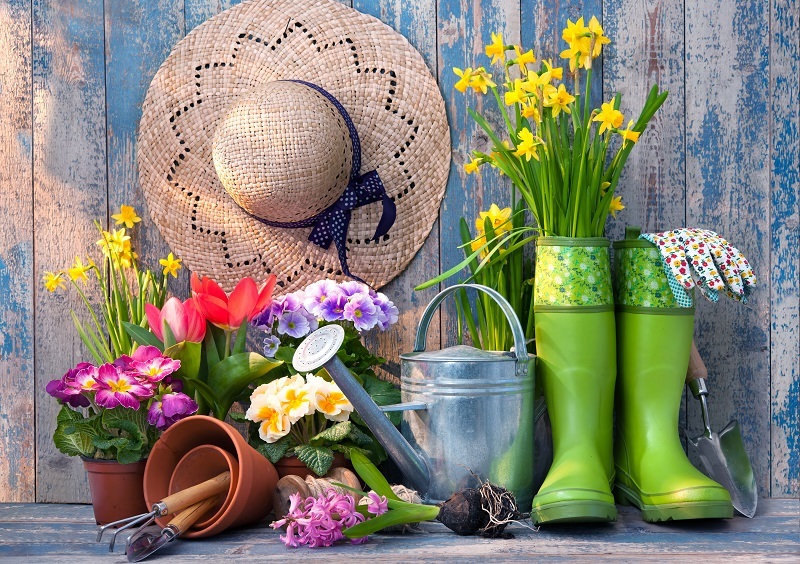
Want to grow your own spectacular tulips? With a few key tips, you can enjoy these marvelous blooms in your own garden:
- Plant tulip bulbs in fall, 6 to 8 weeks before the first hard frost.
- Choose a spot with well-drained soil and ample sunlight.
- Plant bulbs about 6 inches deep, with the pointed end up.
- Allow foliage to die back naturally after blooming to nourish next year's flowers.
Whether you're cultivating a historic variety or dazzling newcomers, you can now appreciate your tulips even more--knowing the unexpected tulip facts that make these blooms truly extraordinary.
Conclusion: The Enduring Allure of Tulips
As you've discovered, the humble tulip is brimming with secrets and stories that defy expectations at every turn. With its dramatic history, cultural impact, and astonishing diversity, the tulip remains one of the world's most beloved and remarkable flowers. Share these delightful tulip facts with friends--and let your newfound knowledge bloom alongside the world's most extraordinary petals!
Latest Posts
Discover 7 delightful tulip facts that defy expectations
The Iconic Red Roses of Valentine's Day and Their Meaning
Longevity in Bloom: Discover 12 Long-Lasting Flowers