3 Easy Techniques to Keep Your Cut Flowers Fresh
Posted on 03/07/2025
3 Easy Techniques to Keep Your Cut Flowers Fresh
Bringing home a bouquet of freshly cut flowers is an instant way to brighten up any space. However, it's disappointing when those beautiful blooms start to wilt and droop after only a few short days. Fortunately, you don't have to be a florist to keep your cut flowers fresh for longer. With the right techniques, you can enjoy your flowers' vibrant colors and pleasant aromas well past their expected lifespan. In this comprehensive guide, we'll explore three easy techniques that will help you preserve your bouquets and arrangements, ensuring your cut flowers look stunning for as long as possible.
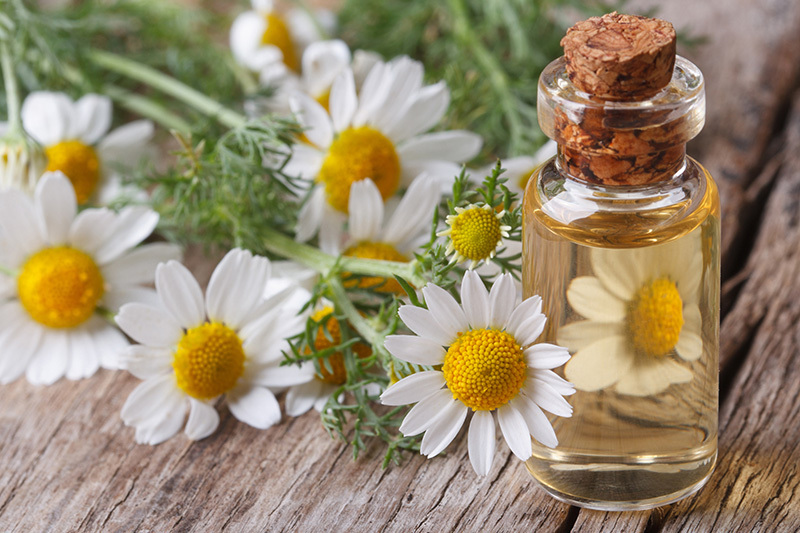
Why Do Cut Flowers Wilt?
Before diving into the best ways to keep flowers fresh, it's important to understand why cut flowers begin to wilt. Once flowers are separated from the plant, they lose their primary water and nutrient source. If not properly cared for, air bubbles, bacteria, and lack of support make it hard for stems to absorb water, causing blooms to droop and petals to fall. Fortunately, fresh cut flower care methods can make a significant difference.
Technique 1: Proper Preparation of Cut Flowers
Start With Clean Tools and Vase
The journey to long-lasting cut flowers begins with a clean environment. Any bacteria lurking on your vase or cutting tools can quickly infect your stems and accelerate the wilting process. To prevent this:
- Wash your vase with hot, soapy water and rinse thoroughly before using.
- Sterilize your shears or scissors with rubbing alcohol or by running them under boiling water for a few minutes.
Trim & Prune for Maximum Freshness
The way you handle and prepare your blooms is critical for keeping cut flowers fresh longer. Follow these easy steps:
- Cut the stems at an angle (around 45 degrees): This increases the surface area for water uptake and prevents the stems from sitting flat at the bottom of the vase, where water flow can be restricted.
- Remove leaves and foliage that will sit below the water line: Leaves submerged in water decompose rapidly, promoting bacterial growth.
- Cut stems under water if possible: Doing so ensures air doesn't enter the stems, which can create blockages that impede water uptake.
Use Lukewarm Water
Most flowers prefer lukewarm water, not cold. While there are a few exceptions (such as bulbs like tulips and daffodils, which prefer cooler water), lukewarm water is absorbed faster by most varieties. Fill your clean vase about two-thirds full with lukewarm, fresh water.
Technique 2: Nourishing and Hydrating Cut Flowers
Use Flower Food or Easy Homemade Alternatives
Florists often provide a small packet of flower food with each bouquet. This powder contains a mixture of sugar (for nourishment), biocide (to kill bacteria), and acid (to maintain pH levels). But what if you don't have flower food? You can easily make your own flower preservative at home.
- Homemade Cut Flower Food Recipe:
- 1 quart (1 liter) of lukewarm water
- 2 tablespoons of lemon juice (or white vinegar)
- 1 tablespoon of sugar
- 1/2 teaspoon household bleach (to fight bacteria)
- Mix well and use as the water in your vase. This combination nourishes the stems and prevents bacteria from multiplying.
Change Water and Re-Cut Stems Regularly
Even with the best flower food, water can become dirty and bacteria-laden after a few days. To keep your flowers looking fresh, follow these simple directions:
- Change the water every 2 days: Empty the vase, clean it, and refill with fresh flower food and water.
- Re-cut the flower stems by about 1 inch: Always cut at an angle and remove wilting foliage before returning the flowers to the vase.
- Inspect for wilting or decaying blooms: Remove them to prevent ethylene gas and bacteria from affecting the remaining flowers.
Technique 3: Create the Ideal Environment for Fresh Cut Flowers
Keep Flowers Cool and Out of Direct Sunlight
Where you place your flowers is just as important as how you care for them. Proper environment is key to making cut flower arrangements last:
- Position arrangements away from heating or cooling vents: Air currents can dry out petals and stems.
- Keep bouquets out of direct sunlight: Sun accelerates water loss and hastens wilting.
- Move arrangements to a cooler room overnight: Cut flowers often last longer in a cool area or even in the refrigerator.
Avoid Ethylene Gas and Kitchen Hazards
Did you know that some fruits and vegetables release ethylene gas, which causes flowers to age more quickly? To protect your fresh cut flower arrangements, avoid placing them near:
- Bowls of fruit or baskets of vegetables
- Compost bins
- Ripening produce on countertops
Additional Environmental Tips
- Don't overcrowd your vase: Give each stem room so they're not squished, allowing better water flow and reduced mold risk.
- Avoid smoky, drafty, or heavily trafficked areas
Pro Tips for Specific Types of Cut Flowers
Unique Needs of Popular Blooms
- Tulips: Use cold water, and keep in a tall vase to support their stems.
- Roses: Always remove guard petals and recut stems under water. Roses love deep water.
- Sunflowers: These heavy drinkers need plenty of water and sturdy support.
- Hydrangeas: Dip stem ends in boiling water for 30 seconds to seal sap and improve water uptake.
- Daffodils: Release a toxic sap, so keep them alone or allow them to soak for a few hours before mixing with other flowers.
Common Myths About Keeping Cut Flowers Fresh
- Aspiring in Water: While some claim an aspirin tablet helps cut flowers stay fresh, studies show home remedies like sugar, acid, and biocide (like bleach) are more effective.
- Pennies in the Vase: Older pennies (before 1982) contain copper, which may inhibit bacteria, but results aren't consistent. Rely on clean vases and home flower food recipes instead.
- Bleach Overuse: A *small* amount of bleach kills bacteria, but too much can harm stems. Stick to 1/2 teaspoon per quart of water.
Frequently Asked Questions
How long should cut flowers last with proper care?
With these techniques, most cut flowers will last 7-14 days. Some blooms, like carnations, can last over two weeks, while delicate varieties (like poppies or sweet peas) may only last a few days no matter what. Consistent care is key.
Can I use tap water for my flower arrangements?
Most tap water is safe, though let it sit for an hour or so if you have heavily chlorinated water. For hard water, distilled or filtered water might prolong freshness.
Is commercial flower food better than homemade solutions?
Commercial flower food is specially formulated for keeping cut flower arrangements fresh, but a good homemade recipe (sugar, acid, and bleach) works almost as well when mixed with clean, fresh water.
Conclusion: Enjoy Your Fresh Cut Flowers Longer
Keeping your bouquets beautiful for as long as possible doesn't require expensive materials or professional expertise. By following these three easy techniques to keep your cut flowers fresh--preparing your stems and vase correctly, nourishing the flowers with the right food and water, and providing an ideal environment--you can dramatically prolong the life of your fresh flower arrangements. Whether you're caring for a special occasion bouquet or treating yourself to fresh blooms every week, these simple steps will make your home feel brighter and more inviting.
For more gardening tips and expert advice on flowers and plants, be sure to explore our related articles. Your favorite blossoms deserve to look their best--and now, with these easy flower care techniques, they will!
Latest Posts
Discover 7 delightful tulip facts that defy expectations
The Iconic Red Roses of Valentine's Day and Their Meaning
Longevity in Bloom: Discover 12 Long-Lasting Flowers