Local guide to wedding flowers near Raphael Park Gidea Park
Posted on 26/09/2026
Planning wedding flowers near Raphael Park in Gidea Park can feel wonderfully exciting and mildly overwhelming at the same time. One minute you are picturing roses under the trees, the next you are wondering how on earth to keep bouquets fresh, on budget, and looking elegant from the ceremony to the last dance. That is exactly why this local guide to wedding flowers near Raphael Park Gidea Park exists: to help you make confident, practical choices without the fluff.
Whether you are imagining a classic white bridal bouquet, something soft and romantic for a spring wedding, or a fuller floral look that photographs beautifully in the park and at your reception, the details matter. The right florist, the right flowers, and the right timing can make the whole day feel calmer. And let's be honest, calmer is underrated.
Below, you will find a grounded, local-first guide covering style choices, planning steps, flower types, common mistakes, and what to ask before you book. If you are comparing wedding florists and trying to work out what is actually worth paying attention to, you are in the right place.
- Why this local guide matters
- How wedding flower planning works near Raphael Park
- Key benefits and practical advantages
- Who this is for and when it makes sense
- Step-by-step guidance
- Expert tips for better results
- Common mistakes to avoid
- Tools, resources and recommendations
- Law, compliance, standards and best practice
- Options and comparison table
- Case study or real-world example
- Practical checklist
- Conclusion
- Frequently asked questions
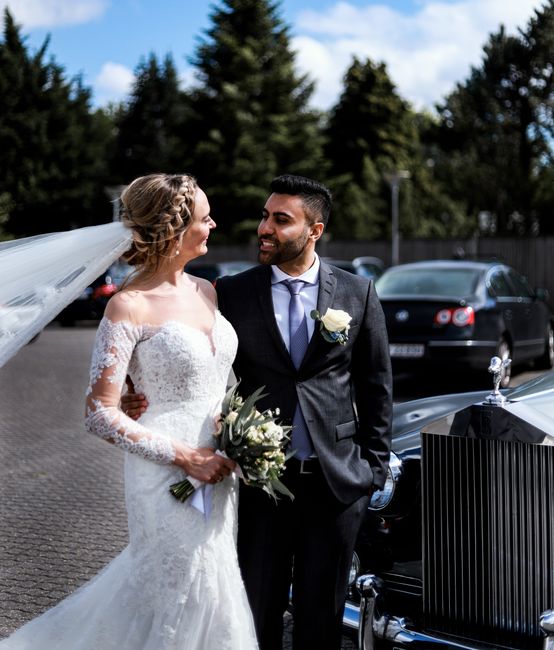
Why Local guide to wedding flowers near Raphael Park Gidea Park Matters
Wedding flowers are not just decoration. Near Raphael Park, they also have to work in a real outdoor environment: changing light, possible breeze, travel between locations, and the plain fact that bouquets get held, photographed, passed around, and sometimes forgotten on a table for ten minutes while everyone is catching up. A good local plan takes all of that into account.
This matters because wedding flowers carry several jobs at once. They set the tone, support the colour palette, and tie the ceremony together visually. They also need to be practical. A bouquet that looks incredible for twenty minutes but collapses by the drinks reception is not, to be fair, much use.
Choosing a florist familiar with local wedding schedules and delivery timing around Gidea Park can reduce stress in a very real way. It helps when your flowers are designed with the venue flow in mind: parking, setup windows, indoor-to-outdoor movement, and the little delays that always happen on a wedding morning. There is always a little something. Always.
For couples planning more than one floral element, local relevance also helps with consistency. Your bridal bouquet, bridesmaids' flowers, buttonholes, table flowers, and ceremony pieces should feel like part of the same story, not separate ideas stuck together at the end. That is the difference between pretty and polished.
If you are still early in the process, it can help to browse a few wedding-focused ranges such as wedding flowers and see how different styles are grouped and presented. Even a quick look can make your own preferences much clearer.
How Local guide to wedding flowers near Raphael Park Gidea Park Works
The planning process usually starts with your date, venue, and overall mood. From there, a florist will help translate your ideas into arrangements that suit the setting and the season. Around Raphael Park and Gidea Park, that usually means thinking about outdoor movement, photographic backdrops, travel time, and how formal or relaxed the event feels.
In simple terms, wedding flowers work best when style and logistics are planned together. A beautiful bouquet is only half the job. The other half is making sure it survives the day looking fresh, tidy, and intentional. That includes stems, hydration, packaging, collection timing, and how pieces are stored before use.
Most couples will talk through:
- the ceremony setting and whether flowers need to be moved
- the colour palette, dress style, and suit details
- the season and which blooms are likely to hold up best
- the number of bouquets, buttonholes, corsages, table pieces, and extras
- delivery and setup timing on the wedding day
For example, if you want a bridal bouquet with a fuller, romantic look, you may be drawn to structured roses, soft lisianthus, or mixed-season blooms. If the reception is more intimate, a smaller number of elevated table flowers can be enough. Not every wedding needs to look like a conservatory exploded. Beautiful, but not necessary.
You may also want to compare related flower options before making final decisions. A local florist's bridal bouquet range, bridesmaid bouquets, and buttonholes are helpful reference points because they show how the wedding set can be coordinated without feeling matchy-matchy.
Key Benefits and Practical Advantages
Using a local guide for wedding flowers near Raphael Park Gidea Park saves time, but the real win is confidence. When you know what to ask and what to expect, you make cleaner decisions and avoid the usual wedding-day guesswork.
Here are the main advantages:
- Better timing: local planning makes delivery and setup easier to coordinate.
- More suitable designs: flowers can be chosen with the local setting and season in mind.
- Less stress: fewer last-minute changes when the order is clearly scoped.
- Better value: your budget goes further when the designs are focused.
- Stronger presentation: all floral elements look connected, not random.
There is also the subtle benefit of scale control. In wedding flowers, bigger is not automatically better. Often, a few well-designed focal pieces do more for the look of a day than a long list of extras. A neat bouquet and a handful of thoughtfully placed arrangements can transform a room or ceremony space.
If you are shopping by style, it is worth looking at collections rather than single items. Something like a wedding collection can help you think in terms of a full floral plan instead of one-off purchases, which is often the more realistic way to approach a wedding.
Another advantage is emotional. Good flowers quietly do a lot of work in photographs and in memory. They create that soft, finished feel people remember even when they cannot quite explain why. Truth be told, that matters more than many couples expect.
Who This Is For and When It Makes Sense
This guide is for couples who want wedding flowers that feel elegant, local, and properly planned rather than improvised. It is especially useful if you are getting married near Raphael Park, using a nearby ceremony spot, or combining an outdoor moment with a reception elsewhere in Gidea Park or the surrounding area.
It also makes sense if you are:
- planning your own wedding and comparing options carefully
- working with a modest budget and want to prioritise the right pieces
- trying to match flowers with a dress, suit palette, or seasonal theme
- sorting the order last minute and need a clear way to decide what matters most
- helping a family member plan a wedding and want a calmer process
Some couples know exactly what they want. Others have a few saved images and a vague dream involving blush tones, candles, and "something natural but not wild." Fair enough. Both are normal. A good florist can work with either approach, but the more clearly you understand the purpose of each flower element, the better the result.
This is also helpful for micro-weddings and smaller ceremonies. In a compact setting, the bouquet, buttonholes, and table pieces may need to do a lot of the visual heavy lifting. A small setup can still look luxurious if it is balanced properly.
If you need inspiration beyond the wedding basics, browsing seasonal or colour-led collections can help narrow the field. A soft palette, for instance, may be easier to visualise after looking at white flowers, pink flowers, or mixed colours.
Step-by-Step Guidance
Here is a practical way to plan wedding flowers near Raphael Park Gidea Park without getting lost in the details.
- Start with the venue and timing. Decide whether flowers are needed for a ceremony only, a reception only, or both. Outdoor settings usually need a bit more attention to weather and transport.
- Pick the main floral priorities. For many couples, the bridal bouquet comes first, then bridesmaid bouquets, buttonholes, and table flowers. If the budget is tight, focus on what will appear in the most photos.
- Choose a style direction. Think classic, modern, romantic, seasonal, or natural. You do not need a perfect label, just a useful direction.
- Select colours and flower families. Roses, lilies, hydrangeas, alstroemeria, carnations, lisianthus, and orchids all create different moods. The mix matters more than one "hero" flower.
- Confirm practical details early. Delivery window, access, setup needs, collection, and who receives the flowers on the day all need to be clear.
- Ask for a full written summary. This avoids confusion later. Small misunderstandings become much bigger when there are table plans, moving cars, and people crying happily in the corner.
- Finalise preservation and care. Fresh flowers need proper water, shade, and sensible handling. Once the stems are cut and arranged, they should be treated as precious, because they are.
For couples who want a straightforward route, a bouquet-led approach works well: choose the bridal bouquet first, then add matching bridesmaid flowers and buttonholes, then decide whether table arrangements or ceremony flowers are still needed. This keeps the process tidy and cost-aware.
If you are choosing with less certainty, a florist-choice style arrangement can be useful because it gives the florist more room to build something seasonally balanced. It is not a cop-out. It is often the sensible option.
Expert Tips for Better Results
Small decisions tend to make the biggest difference. That is especially true with wedding flowers, where one extra shade, one poorly chosen stem, or one rushed delivery can change the whole feel.
1. Let the venue guide the scale. Raphael Park itself is visually rich, so you may not need anything heavy or overbuilt. A clean bouquet and a few elegant accents can be enough. If the reception is more minimal, then table arrangements may need a bit more presence.
2. Keep the colour story simple. Two or three main tones are usually enough. Add texture through foliage or flower variety instead of chasing more colours. It gives the flowers room to breathe.
3. Think in photographs, not just in theory. A bouquet should look good from above, from the side, and in a hand. Buttonholes should sit flat. Table arrangements should not block sightlines. Sounds obvious, but it gets missed all the time.
4. Respect the season. Seasonal flowers often look fresher and handle local conditions better. If you want a very specific bloom out of season, ask whether a strong alternative would give a similar visual effect.
5. Plan for movement. If your wedding day involves a ceremony, short travel, and a reception, your flowers need to move with you. Packaging, buckets, transport, and who carries what should all be settled. Not glamorous, but essential.
6. Keep the design honest. If you love understated flowers, do not force a dramatic look just because it is a wedding. A softer design can feel more luxurious than a large one, especially in a local setting like Gidea Park.
One tiny tip from real-life planning: leave room for the "one thing that always changes." It might be a buttonhole count, an extra family table, or a late dress alteration. Weddings have a way of politely refusing perfection. Best to expect that and stay calm.
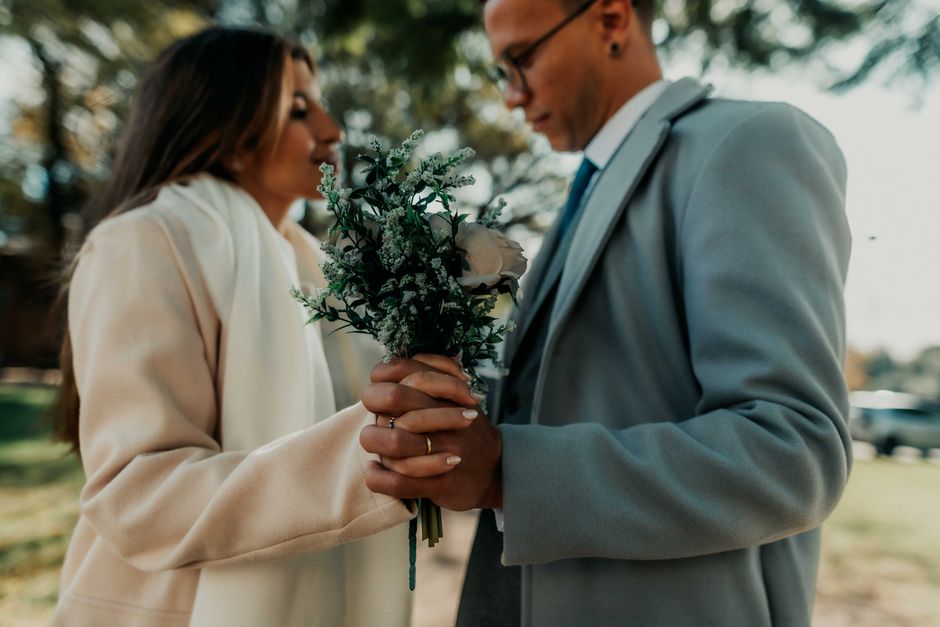
Common Mistakes to Avoid
Most wedding flower problems are not dramatic. They are usually the result of small planning gaps that snowball. Avoiding these saves money and stress.
- Booking too late: popular wedding dates fill up fast, especially in spring and summer.
- Choosing purely from photos: a picture can hide scale, stem quality, and how the flowers will behave on the day.
- Overcomplicating the palette: too many colours can make the overall look less coherent.
- Forgetting travel and setup time: flowers need time to be delivered, placed, and checked.
- Ignoring the weather: outdoor conditions can affect freshness and handling, even on a mild day.
- Leaving the budget until the end: this often leads to last-minute cuts in the wrong places.
Another common issue is buying too many "nice to haves" before locking down the essentials. It happens easily. A wedding can begin with a bridal bouquet and somehow become a discussion about five aisle arrangements, twelve extras, and a floral arch the size of a small caravan. Lovely idea, maybe. But only if it genuinely suits the day.
If you want to keep things grounded, prioritise bouquet, bridesmaids, buttonholes, and key reception pieces first. Then add extras only if they strengthen the visual flow.
Tools, Resources and Recommendations
You do not need complicated tools to plan wedding flowers well, but a few simple resources make the process much easier.
- Inspiration board: collect 6 to 10 images that show the shape, colour, and mood you like.
- Guest and wedding party list: helps calculate buttonholes, corsages, and extra bouquet needs.
- Venue layout or rough sketch: useful for table arrangements and ceremony placement.
- Budget range: even a rough one gives the florist better guidance.
- Colour swatches: especially helpful if dresses or suits are still being finalised.
For product exploration, the wedding-focused pages in the shop can be useful. The table arrangements section is a practical place to look if you want to understand how reception flowers are typically styled. Likewise, browsing corsages and a bridal bouquet together makes it easier to see how the full set can work as one design.
It can also help to review general service policies and delivery details before you place any order. That means looking at the florist's delivery information, flower care guidance, and guarantees. These pages may not sound glamorous, but they do help you understand how the flowers will be handled.
And if you are still comparing styles, collections such as Pure Romance, White Wonders, and The Perfect Match give a helpful sense of how a coordinated wedding range is built.
Law, Compliance, Standards, or Best Practice
For wedding flowers, there usually is not a complex legal process for the couple, but there are still sensible standards and best practices to follow. The main goal is safe, clear, and reliable service.
In practical terms, that means:
- confirming order details in writing where possible
- checking delivery address, access, and time windows carefully
- understanding refund, substitution, or cancellation terms before payment
- making sure any venue access or setup rules are followed
- handling flowers safely and keeping them away from heat where possible
It is also sensible to ask whether substitutions may be needed if a particular flower is unavailable. This is normal in floristry, especially with seasonal stock. A trustworthy florist will tell you plainly if a stem needs to be replaced with something similar in colour and shape. That transparency matters more than a perfect promise.
For a broader trust check, look at the florist's terms and conditions, returns and refund policy, privacy policy, and about us page. These help you understand how the business operates and how carefully it handles customer expectations.
If you are using flowers for a formal religious or cultural wedding, best practice is to speak clearly about symbolic colours, flower types, and arrangement style. Small details can matter a great deal, and a thoughtful florist will respect that.
Options, Methods, or Comparison Table
There is no single right way to plan wedding flowers near Raphael Park Gidea Park. The best method depends on budget, scale, and how much floral impact you want. Here is a simple comparison to help you decide.
| Approach | Best for | Strengths | Watch-outs |
|---|---|---|---|
| Bridal bouquet first | Couples who want one standout floral piece | Simple, focused, easy to budget around | Can feel sparse if you later want more visual balance |
| Full coordinated set | Weddings with multiple party members and a reception | Strong consistency, polished look in photos | Needs tighter planning and more budget control |
| Seasonal florist-choice design | Couples open to creativity and value | Flexible, often efficient, often freshest option | Less control over exact flowers |
| Venue-focused styling | Reception-heavy weddings | Transforms a room, good for guest experience | May not prioritise personal bouquets enough if not planned carefully |
In practice, many couples blend two methods. A strong bouquet-led plan with a few reception flowers is often enough. You do not need to do everything at once. In fact, many of the nicest weddings do a few things very well rather than trying to cover every corner.
Case Study or Real-World Example
Imagine a couple planning a late spring wedding near Raphael Park. They want a ceremony that feels natural and elegant, with photos outside and a small reception afterwards. Their first instinct is to add lots of different flowers, but once they start discussing the layout, they realise the day needs restraint more than volume.
They choose a soft white-and-blush bridal bouquet, two smaller bridesmaid bouquets, matching buttonholes, and a handful of table arrangements for the reception. Instead of chasing a dozen different floral ideas, they concentrate on three things: shape, colour, and freshness. That keeps the design calm and cohesive.
On the day, the flowers work because they suit the actual movement of the event. The bouquet is easy to carry, the buttonholes are neat, and the table arrangements do not block conversation. There is no awkward overstuffed styling, no last-minute panic about where anything goes, and no one is asking, "Wait, who was supposed to pick up the flowers?"
That kind of result is not about extravagance. It is about being deliberate. The couple wanted something beautiful and local, and the florist shaped the order around the real-life wedding rather than a fantasy version of it. That is usually where the best results come from.
Practical Checklist
Before you finalise your wedding flowers, run through this checklist. It keeps things orderly, and honestly, it saves a lot of back-and-forth later.
- Have we confirmed the wedding date and venue details?
- Do we know whether flowers are needed for ceremony, reception, or both?
- Have we chosen the bridal bouquet style and colour direction?
- Do we know how many bridesmaid bouquets, buttonholes, and corsages are needed?
- Have we decided on any table or statement arrangements?
- Do we have a clear budget range?
- Have we checked delivery timing and access at the venue?
- Do we understand possible substitutions if a flower is unavailable?
- Have we reviewed care instructions for the wedding day?
- Have we kept a written summary of the final order?
Expert summary: the best wedding flowers are not the fanciest ones on paper. They are the ones that fit the venue, survive the day, and feel like you. Simple as that. Well, not always simple, but definitely worth aiming for.
Conclusion
Planning wedding flowers near Raphael Park Gidea Park works best when you treat flowers as part of the whole day, not a separate decorative extra. The ceremony setting, the season, the travel, the budget, and the mood all shape what will look and feel right. When those details come together, the flowers do more than decorate the day. They support it.
If you keep your choices focused, use local guidance, and prioritise the arrangements that matter most in photos and memory, you will get a much better result than simply ordering more stems. That is the quiet secret here: thoughtful beats excessive every time.
So take your time, ask the practical questions, and choose flowers that suit the setting rather than fighting it. The right bouquet in the right place can make the whole day feel beautifully finished. And that feeling stays with you.
Get a free quote today and see how much you can save.
When the flowers are right, everything else seems to settle into place a little more gently.
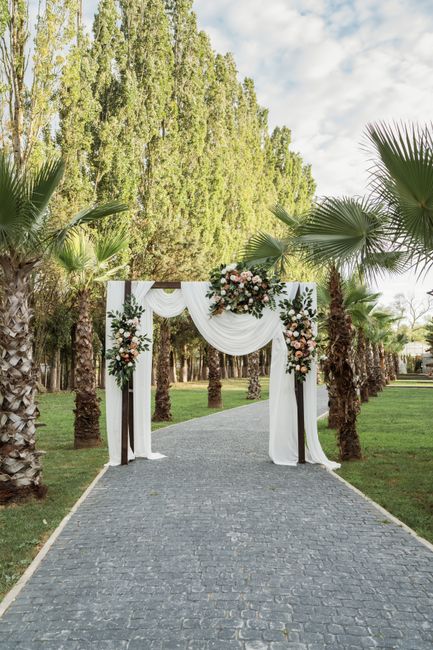
Frequently Asked Questions
What flowers are best for a wedding near Raphael Park Gidea Park?
Roses, lisianthus, hydrangeas, lilies, orchids, carnations, and alstroemeria are all common wedding choices because they can suit different styles and colour palettes. The best option depends on your season, budget, and the mood you want. A florist can help you balance appearance with durability, which really matters for a full wedding day.
How far in advance should I book wedding flowers?
As early as you can, especially if your wedding is in a busy spring or summer period. Booking early gives you more choice and reduces the chance of settling for whatever is left. If your date is soon, it is still worth asking, because a local florist may be able to help with a simpler, tighter order.
Can I have wedding flowers delivered to Raphael Park or nearby venues?
Yes, delivery can usually be arranged to the venue, home address, or another agreed location, depending on the florist's service area and timing. The important part is to confirm access, delivery window, and who will receive the flowers. That avoids the classic wedding-day "we thought someone else had it" situation.
How do I keep wedding flowers fresh on the day?
Keep them cool, shaded, and in water for as long as possible before use. Follow the florist's care advice closely, especially for bouquets and buttonholes. If the wedding involves outdoor time, try to limit direct sun and avoid leaving flowers in a warm car.
What is included in a typical wedding flower order?
A typical order might include a bridal bouquet, bridesmaid bouquets, buttonholes, corsages, and table arrangements. Some couples add ceremony flowers, reception feature pieces, or gifts for family members. The exact mix depends on your guest list, venue, and budget.
Are seasonal flowers better for weddings?
Often, yes. Seasonal flowers are usually fresher, more in tune with the time of year, and sometimes better value. They also tend to suit the overall feel of the day more naturally. If you have a specific flower in mind, a florist can suggest a seasonal alternative if needed.
How much should I budget for wedding flowers?
There is no one fixed number, because order size, flower types, and design complexity all change the cost. A smaller bouquet-led plan will cost less than a full ceremony-and-reception setup. It helps to decide your priorities first so the budget goes where it matters most.
Can I ask for a custom bouquet style?
Absolutely. Most florists can work from inspiration images, colour ideas, or a mood you want to capture. The more clearly you explain what you like and do not like, the better. Even a simple note like "soft, natural, and not too busy" can be useful.
What if a flower I want is unavailable?
That happens from time to time, especially with seasonal or imported flowers. A good florist will suggest a similar substitute in shape, colour, or feel. It is best to stay flexible on exact stem choice and focus on the overall look.
Do I need matching flowers for bridesmaids and buttonholes?
They do not need to match exactly, but they should work together visually. Usually, a coordinated palette is enough. Matching too closely can feel a bit staged, while a careful variation feels more elegant and modern.
Should I choose a florist-choice arrangement for my wedding?
If you are open to seasonal design and want the florist to use their judgement, florist-choice can be a smart option. It often gives better flexibility and can be more efficient. If you have very specific flowers or colours in mind, though, a more detailed brief may suit you better.
What should I ask before ordering wedding flowers?
Ask about availability, delivery timing, setup, substitutions, care instructions, and what happens if something needs to change. Also ask for a clear summary of the final order. Those basics make a huge difference, especially when your wedding day starts moving fast.